


 NCAER - NATIONAL DATA INNOVATION CENTRE
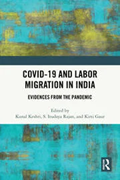
Internal migration of labor (or labor migration) from rural to urban areas was once thought to be a necessary process to meet labor demand at the urban industrial sectors. The classical two-sector migration models assumed that people migrate from less remunerative agricultural sector to the... Read More
The National Family Health Survey has consistently documented a sharp rise in overweight and obesity among Indian adults. Among women of reproductive age, the prevalence of obesity has nearly doubled in the past 15 years—from 12.6 per cent in 2005–2006 to 24.0 per cent in... Read More
The early decades of the 21st century reflect tremendous transformation in Indian society due to both economic growth and global challenges. The Gross Domestic Product has grown at the rate of 5–9 per cent resulting in a decline in poverty. Whereas, the India Human Development... Read More
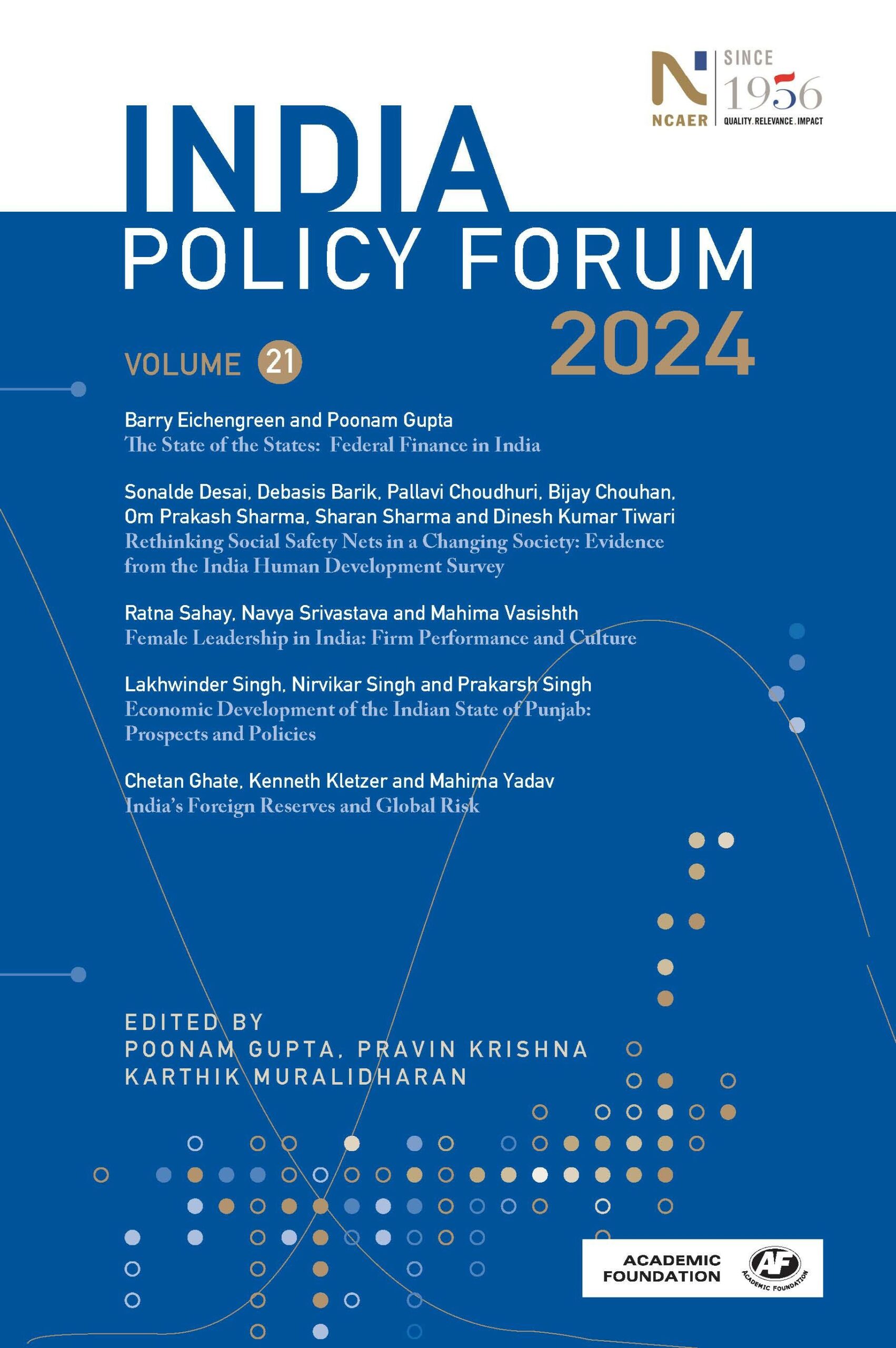
With a growing economy and declining poverty, India faces a curious challenge in providing a social safety net to its citizens. Using data from three rounds of the India Human Development Survey (IHDS), collected in 2004-05, 2011-12, and 2022- 24, this paper shows that households... Read More

This paper explores ‘gatekeeping’, the phenomenon where access to a sample person in the household is controlled by another person. Gatekeeping of female persons is especially an issue in societies governed by gendered social norms. It can increase survey error by reducing response rates and... Read More