


 NCAER - NATIONAL DATA INNOVATION CENTRE
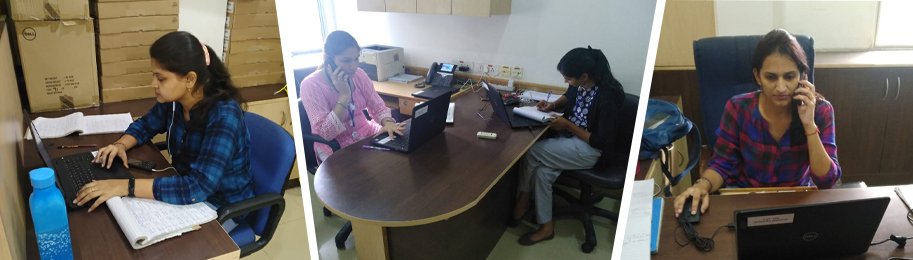
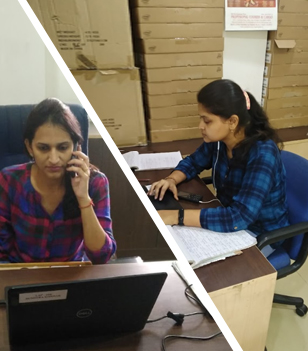
In order to understand and quantify the early impact of the Coronavirus pandemic and the pandemic induced lockdown, the National Data Innovation Centre conducted telephone surveys in both the urban and rural areas of Delhi National Capital Region (NCR). So far we have completed four rounds of Delhi NCR Coronavirus Telephone Survey (DCVTS). The widespread use of mobile phones in India provided us with the opportunity of conducting surveys remotely during the pandemic when there was a need for scientifically collected data for decision making. Moreover, the telephone mode of data collection coupled with computer-assisted technology satisfies the need of a quick turnaround in the absence of travel time and helps in measuring or informing policy responses in a timely manner.
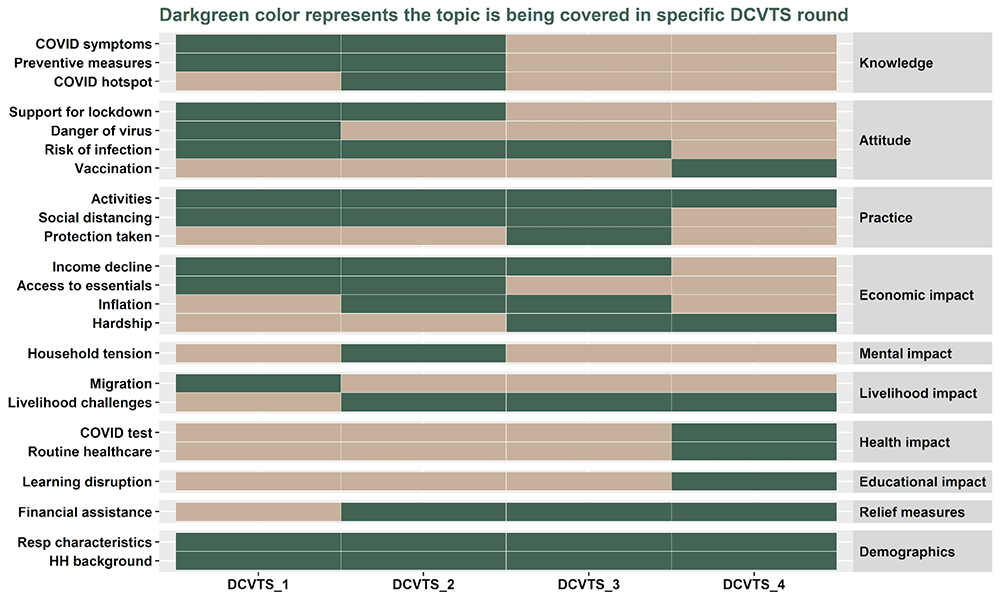
The objectives of the first two rounds of DCVTS (DCVTS-1, April 3-6, 2020; & DCVTS-2, April 23-26, 2020) were to estimate the levels and changes over time in people’s knowledge, attitude, perception, and practiced behavior with respect to COVID-19. The surveys also estimated the impact of the Coronavirus pandemic on people’s, income, access to essential items, social life, and their coping mechanisms (NCAER National Data Innovation Centre 2020NCAER National Data Innovation Centre 2020 Desai and Pramanik April 29, 2020 Desai and Pramanik April 20, 2020; Mazumdar, Pramanik et al. May 24, 2020).
The third round, DCVTS-3, (June 15-23, 2020) focused on the ways in which the lockdowns have affected different occupational groups (Desai and Pramanik Jul 5, 2020) (Desai and Pramanik 05 Jul 2020), levels of distress and financial hardship experienced by households, how households access welfare measures during the early phases of the pandemic (Bornali Bhandari, Santanu Pramanik et al. August 3, 2020; Choudhuri and Desai November 28, 2020), challenges in getting back to work and remaining safe after the lockdowns were lifted, and trends in social distancing and risk perceptions as the lockdowns are eased.
DCVTS-4 (December 23, 2020 – January 4, 2021), launched right before the roll out of mass vaccination, explored issues such as vaccine hesitancy (Pramanik and Desai 2021, level of disruptions in routine healthcare, the extent of learning disruptions for children in the age group of 6-14 years (Banerji, Ashraf et al. February 20, 2021), occupational shifts during the pandemic, vulnerability among different occupational groups, and the levels of distress and financial hardship experienced by households and whether the most vulnerable households have had access to safety nets. An overview of the topics covered across different rounds of DCVTS is given in the figure below.
The COVID-19 pandemic, and the consequent nationwide lockdown in India that began on March 25, 2020, caused a major disruption in the labour market, leading to the widespread loss of livelihoods and food insecurity. The findings from a telephonic survey of a representative sample of more than 3,000 households in the National Capital Region (NCR)... Read More
The COVID-19 pandemic, and the consequent nationwide lockdown in India that began on 25 March 2020, caused a major disruption in the labour market, leading to the widespread loss of livelihoods and food insecurity. The findings from a telephonic survey of a representative sample of more than 3,000 households in the National Capital Region also... Read More

A government job, with its benefits and safety net, is an aspiration for most Indians. Any perceived rollback in such employment opportunities is bound to fuel anxiety

Economic insecurity caused by lockdowns during the early days of Covid-19 forced many households to rely on government welfare schemes to fulfil their consumption needs. Using data from the June 2020 round of the Delhi NCR Coronavirus Telephone Survey, this article shows that few households received both foodgrains and cash transfers, particularly in urban areas,... Read More
In the wake of the COVID-19 pandemic, telephone surveys have been used extensively for carrying out studies on health knowledge, morbidity, and mortality surveillance. In order to understand the extent of different sources of non-observation errors in telephone surveys, we compare the distributions of units covered in the sampling frame and survey respondents with those... Read More
The COVID-19 pandemic, and the consequent nationwide lockdown in India that began on March 25, 2020, caused a major disruption in the labour market, leading to the widespread loss of livelihoods and food insecurity. The findings from a telephonic survey of a representative sample of more than 3,000 households in the National Capital Region (NCR)... Read More

First, unlike Americans, opting out of the workforce is not an option for most Indians. The existence of the vast informal sector offers refuge to employees pushed out of wage employment. Second, this employment of last resort should not be taken to imply a robust recovery.

Children in households without piped water or LPG have lower learning outcomes. This negative impact is greater when women bear a greater share of the burden of unpaid work compared to men.

The beginning of the vaccination programme suggests that the end is in sight. How quickly we reach the goal post depends on how well prepared we are as we enter the race.

This is part of a series of Measurement Briefs from the NCAER National Data Innovation Centre. Based on the findings from the Delhi NCR Coronavirus Telephone Survey, Rounds 1 and 2, this particular Brief is set in the backdrop of the lockdown caused by the COVID-19 pandemic and the subsequent loss...
This is part of a series of Measurement Briefs from the NCAER National Data Innovation Centre based on the findings from the Delhi Metropolitan Area Study. This particular Brief on health insurance suggests that despite rising insurance coverage in recent years, individuals are not often aware of...
Aadhaar linkages of individuals and bank accounts already exist. If residential information in the Aadhaar database can be efficiently structured, this would allow for geographic targeting.
The urban poor is still finding it difficult to return to work. Targeting social safety nets towards them is necessary as the economy struggles to recover.
Given this uncertainty over the reach of PM-KISAN and its targeting, the relevance of the scheme needs to be carefully evaluated during this period.

Until a viable vaccine is found, finding new ways to cope with the unexpected seems to be our only recourse to brace against the unexpected challenges thrown by the virus

Daily wage labourers in Delhi-NCR were the most disadvantaged during the lockdown and are still finding it hard to find work. But even among the salaried class, work participation rates remain far below pre-lockdown levels

Surveys show that the govt’s support schemes do not reach such households. Direct cash transfers and universal PDS will help
The society has adjusted, at least somewhat, to this new normal. Although economic activities remain shut, the proportion of respondents who claimed that their incomes were affected very much fell modestly from 55% to 49%.
When asked about how many people they had come in contact with outside the house over the preceding 24 hours, over 50 per cent responded that they had not come in contact with anyone.
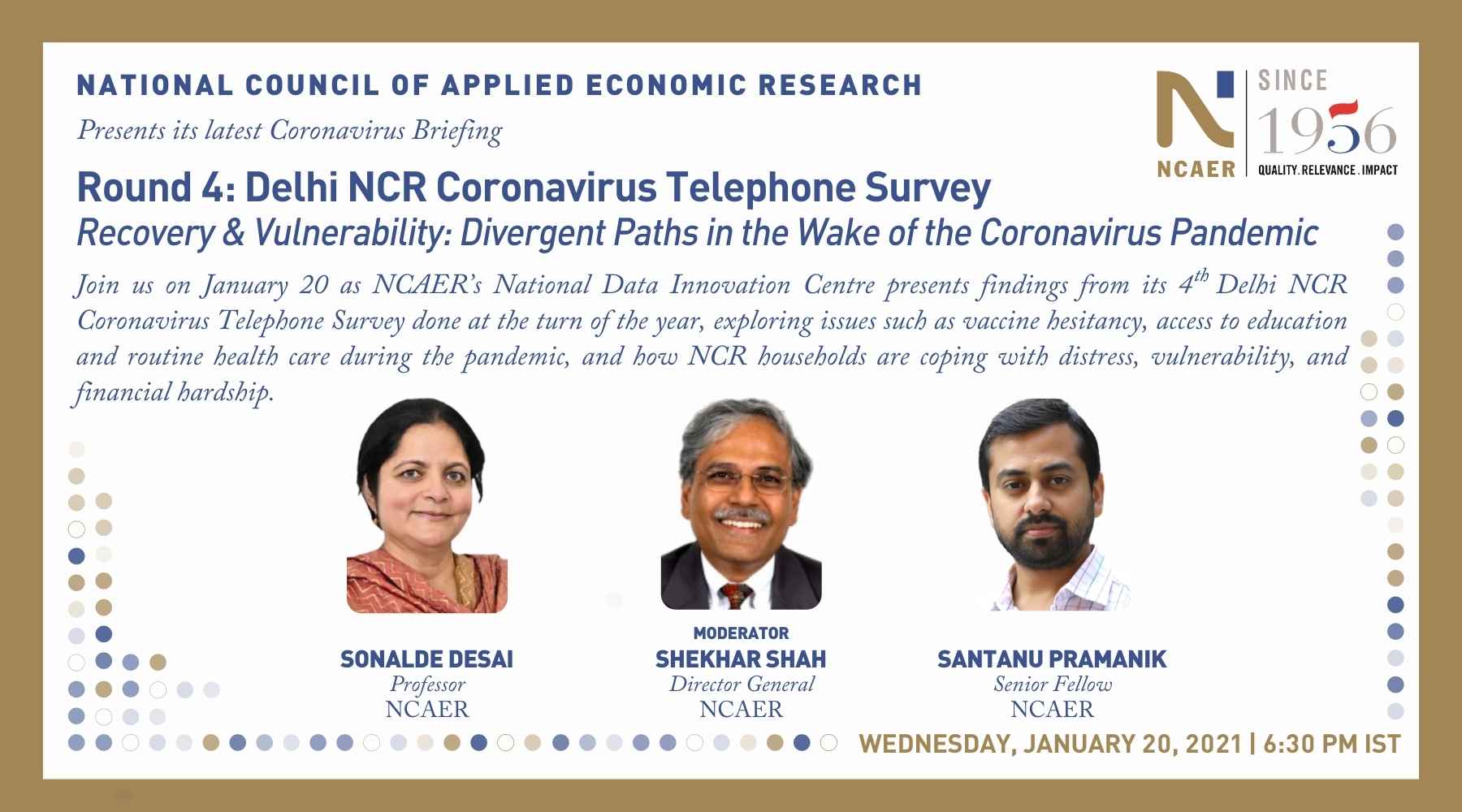
Recovery and Vulnerability: Divergent Paths in the Wake of the Coronavirus Pandemic As the nation hopefully begins its recovery from the Coronavirus pandemic through a massive vaccine rollout, assessing the speed of recovery in different arenas of life will require a better understanding of the overall impact of the pandemic and the level of willingness... Read More
NCAER hosted Sonalde Desai and Santanu Pramanik from its National Data Innovation Centre to share the results of Round 3 of its rapid response Delhi NCR Coronavirus Telephone Survey (DCVTS-3) launched on June 15 and completed on June 23. NCAER Director General Shekhar Shah moderated the discussion. DCVTS-3 builds on DCVTS-1, fielded during April 3-6 (results released April 12), and DCVTS-2, fielded April... Read More
NCAER hosted Sonalde Desai and Santanu Pramanik from its National Data Innovation Centre to share the early results of Round 2 of its rapid response Delhi NCR Coronavirus Telephone Survey (DCVTS-2) launched on April 23, 2020, and completed on April 26. The discussion was moderated by NCAER Director General, Shekhar Shah. The Round 2 DCVTS... Read More
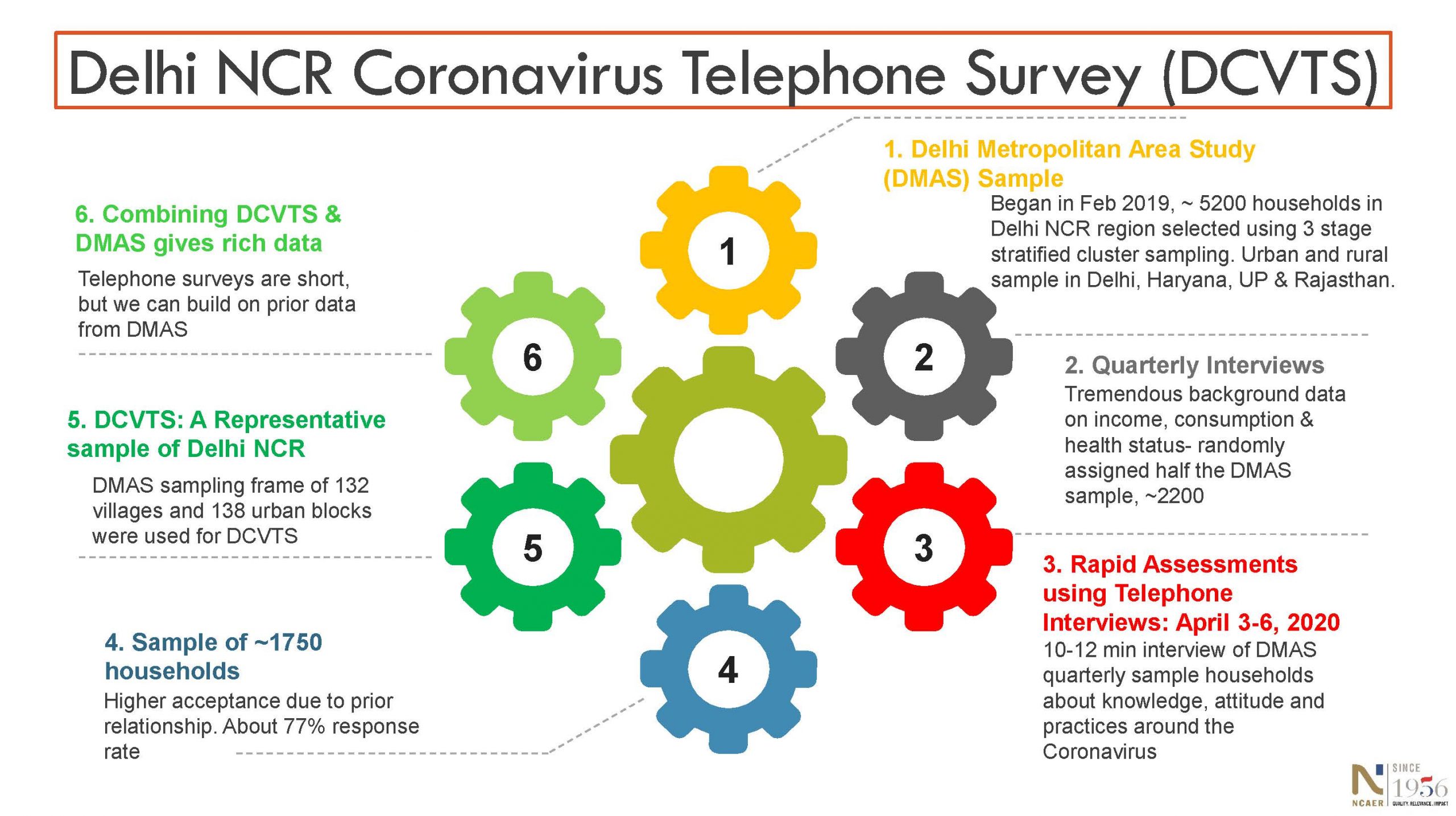
NCAER hosted a webinar by Sonalde Desai, Santanu Pramanik, and Dinesh Tiwari from its National Data Innovation Centre to share the results of its rapid response representative telephone survey in the Delhi NCR. The survey launched on April 3, 2020, 10 days after the lockout started was completed on April 6, 2020. The discussion attended by over 150... Read More
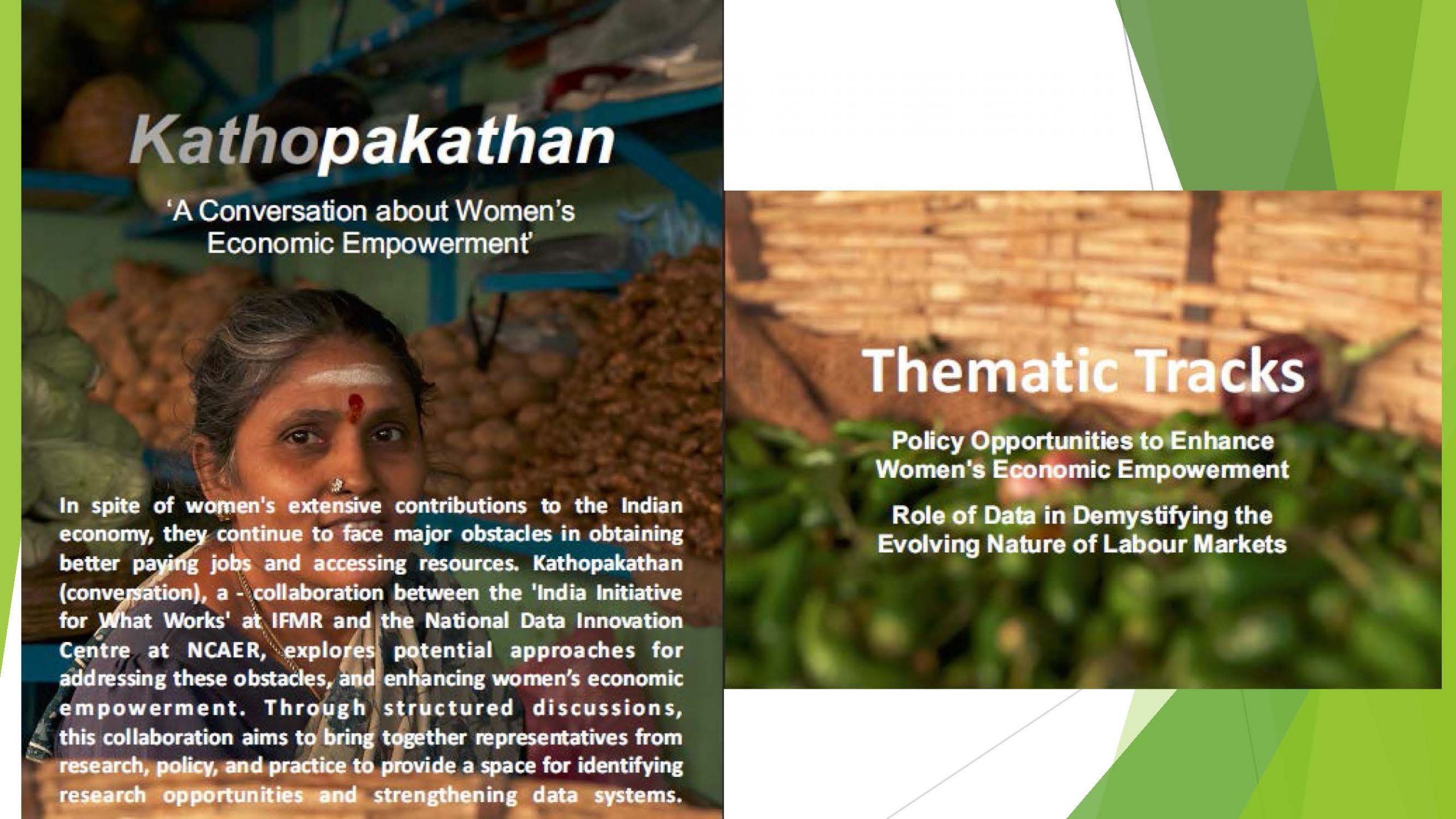
The NCAER-National Data Innovation Centre (NDIC) and Institute for Financial Management Research-India Initiative for What Works (IFMR-IIWW) jointly organised an initiative called Kathopakathan (conversation) on Women’s Economic Empowerment at the Viceregal Hall, The Claridges, New Delhi, on March 24, 2018. NCAER-NDIC seeks to develop innovative approaches to collecting data for development, including data on gender, while IFMR-IIWW focuses... Read More