

 NCAER - NATIONAL DATA INNOVATION CENTRE
Non-communicable diseases (NCDs) are now the leading cause of premature mortality in low- and middle-income countries (LMICs), accounting for more than 80% of early NCD deaths worldwide. As LMICs undergo rapid demographic, nutritional, and epidemiological transitions, obesity has emerged as a central driver of cardiometabolic risk—particularly among women. Although NCDs have long been characterised as... Read More
Internal migration of labor (or labor migration) from rural to urban areas was once thought to be a necessary process to meet labor demand at the urban industrial sectors. The classical two-sector migration models assumed that people migrate from less remunerative agricultural sector to the urban industrial sector, where expected rate of labor return was... Read More
The National Family Health Survey has consistently documented a sharp rise in overweight and obesity among Indian adults. Among women of reproductive age, the prevalence of obesity has nearly doubled in the past 15 years—from 12.6 per cent in 2005–2006 to 24.0 per cent in 2019–2021. The existing literature highlights a strong association between household... Read More
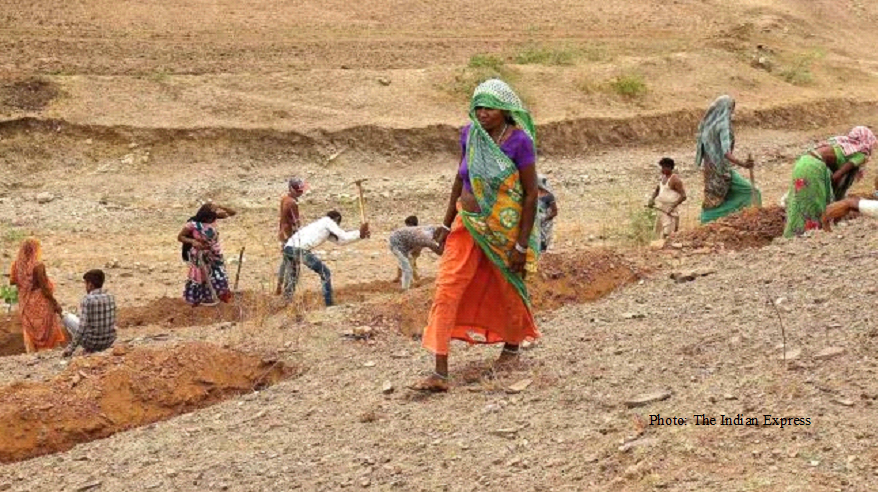
The impulse that led to the passing of MGNREGA celebrated the spirit of inclusive development. However, the engineering that rendered the spirit behind MGNREGA into functioning machinery requires repairs and unclogging. Unless we recognise both achievements and challenges facing MGNREGA, it will be difficult to repair it, and this omission will continue to haunt both.
For India, agricultural protection is similar to US anxiety on immigration. Once, I took a group of American students to learn more about the rural parts of India. We spent a couple of weeks in a village, where the students were constantly trailed by giggling children, several of them shouting out questions. So, we decided... Read More