

 NCAER - NATIONAL DATA INNOVATION CENTRE
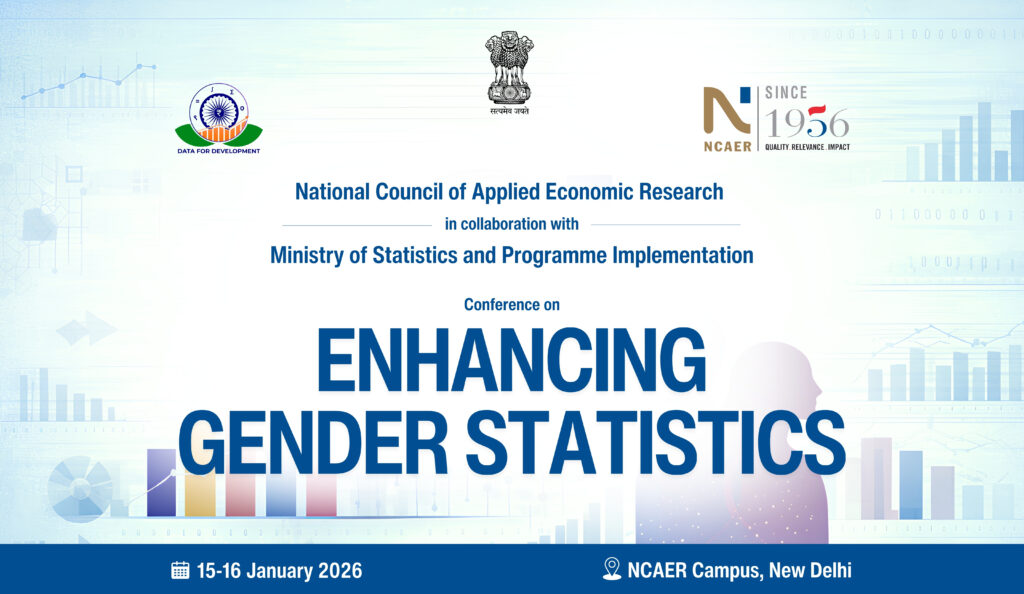
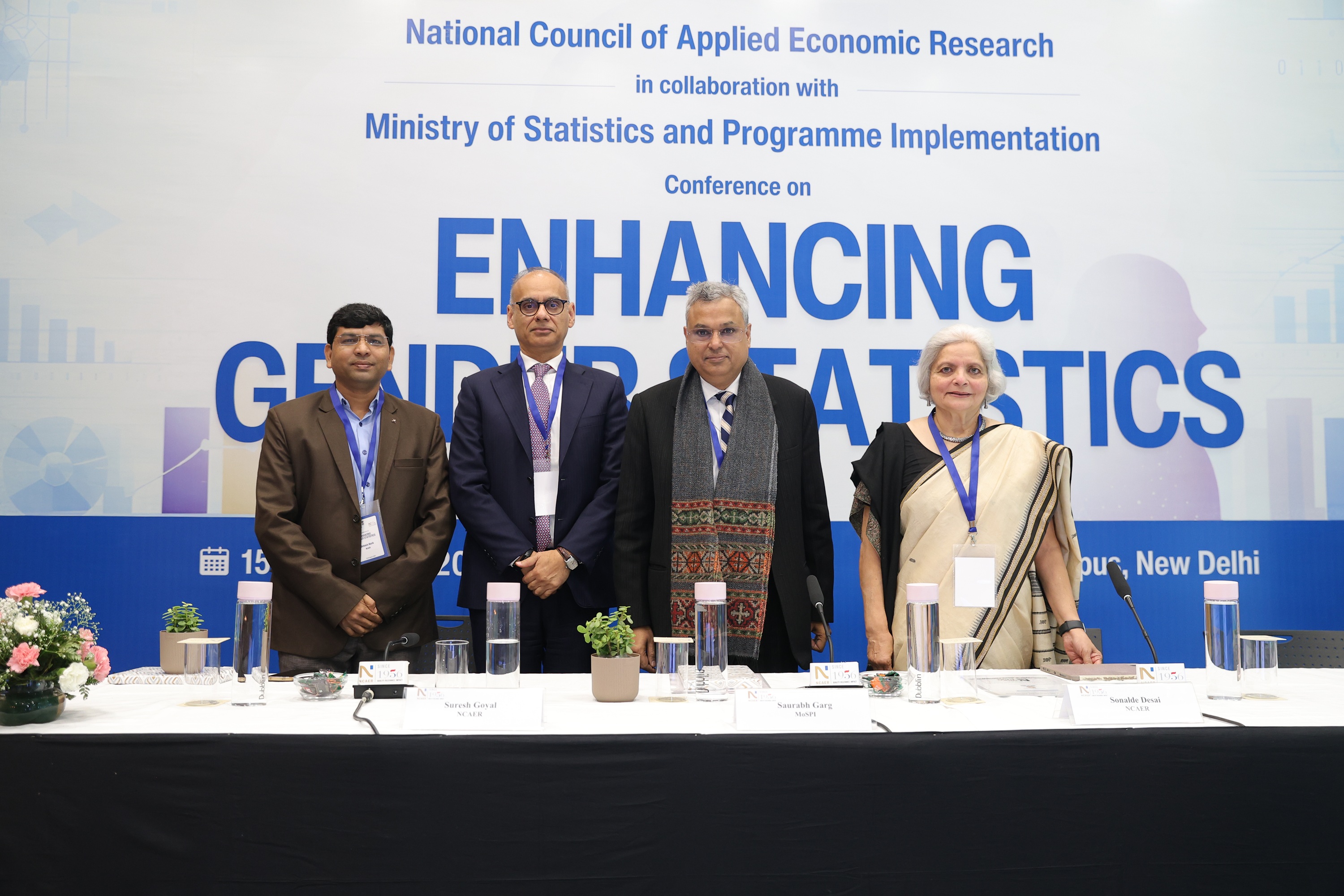
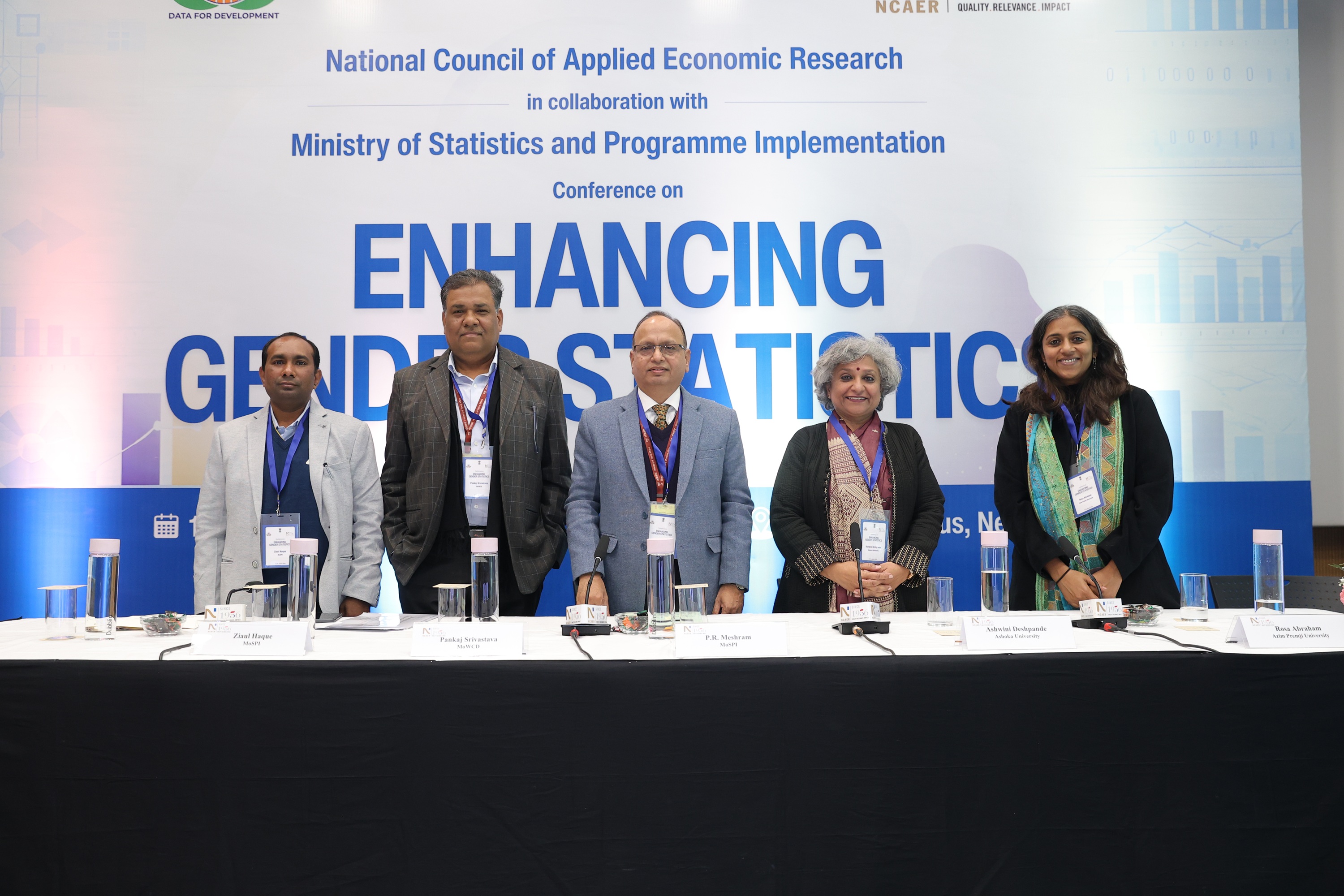
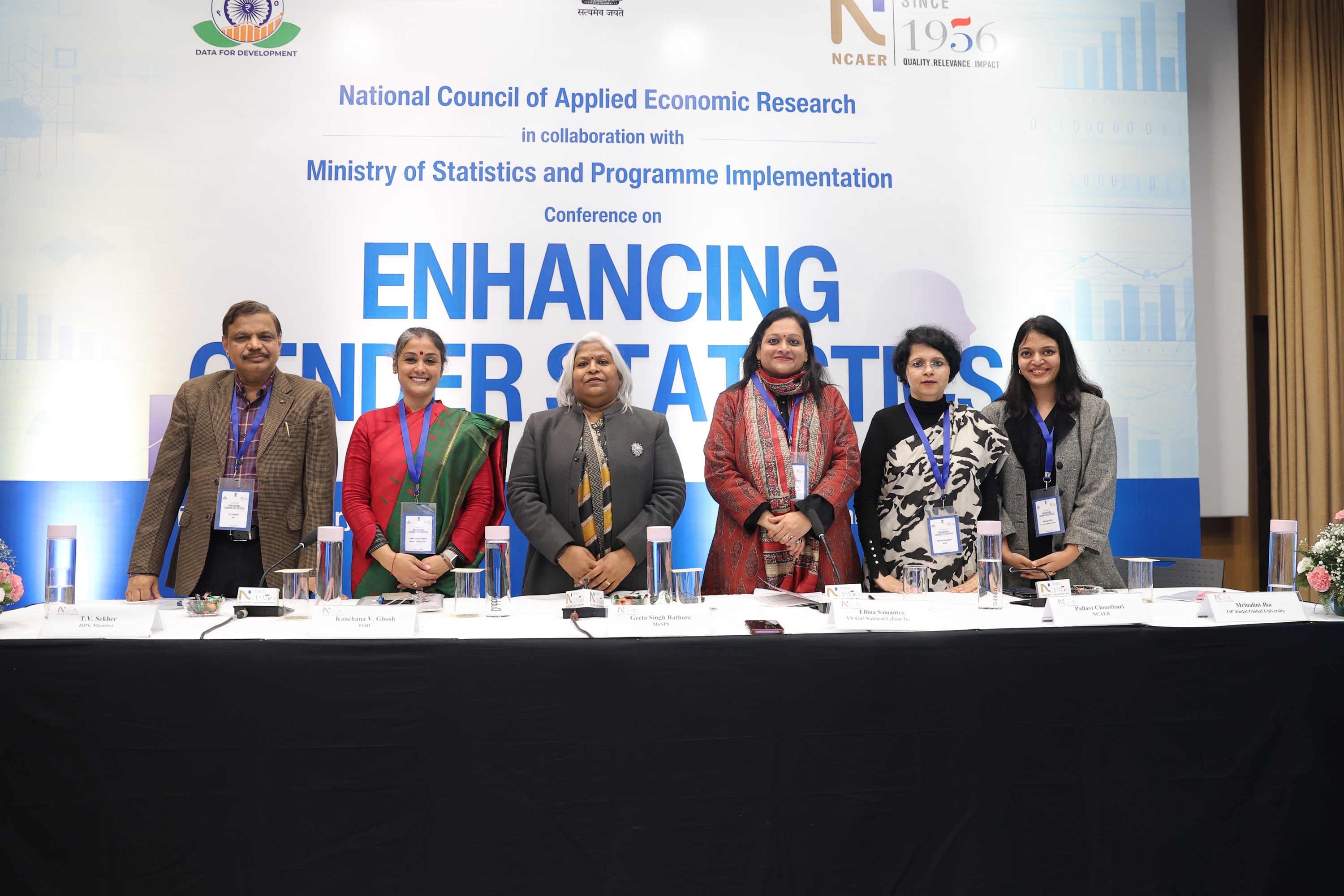
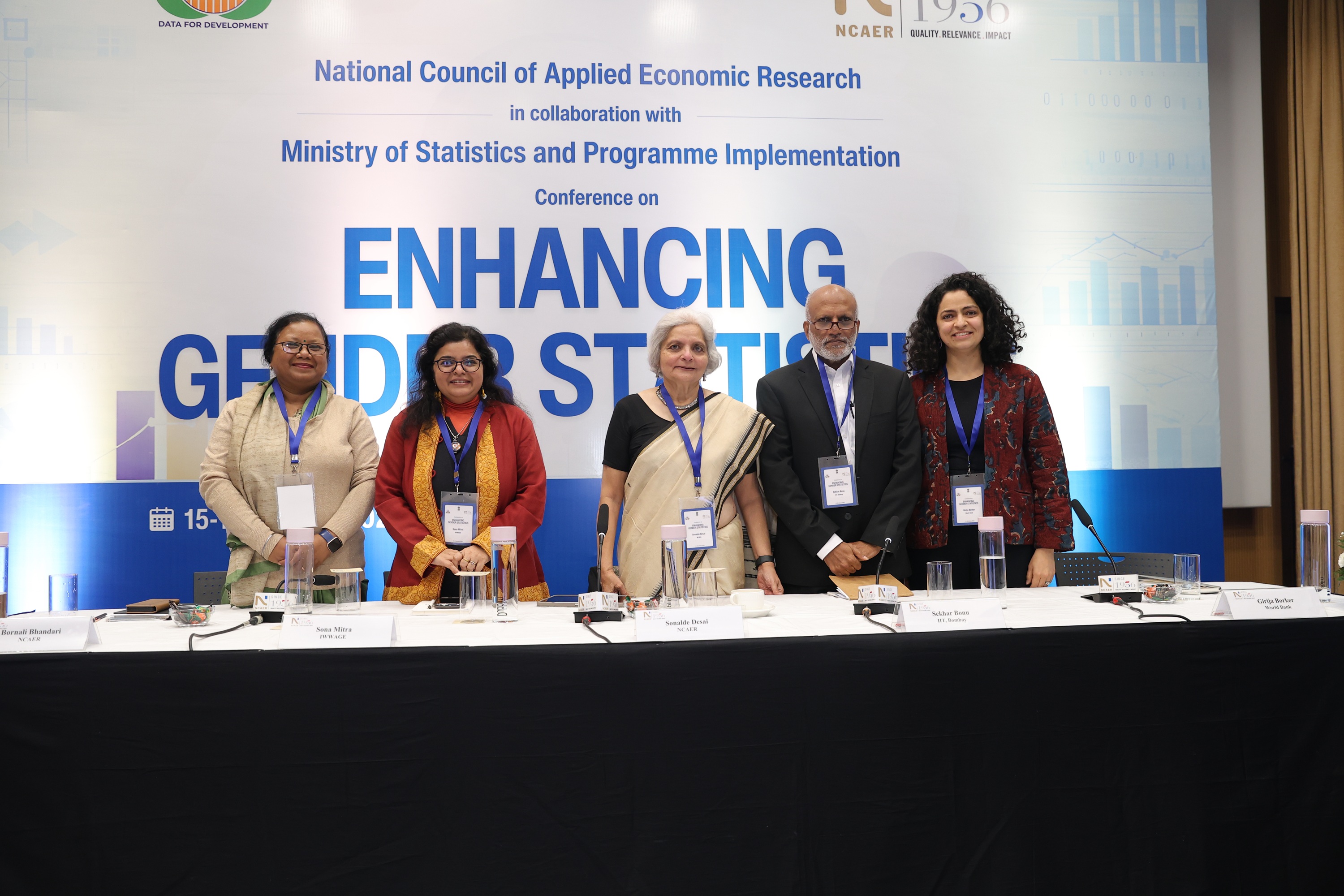
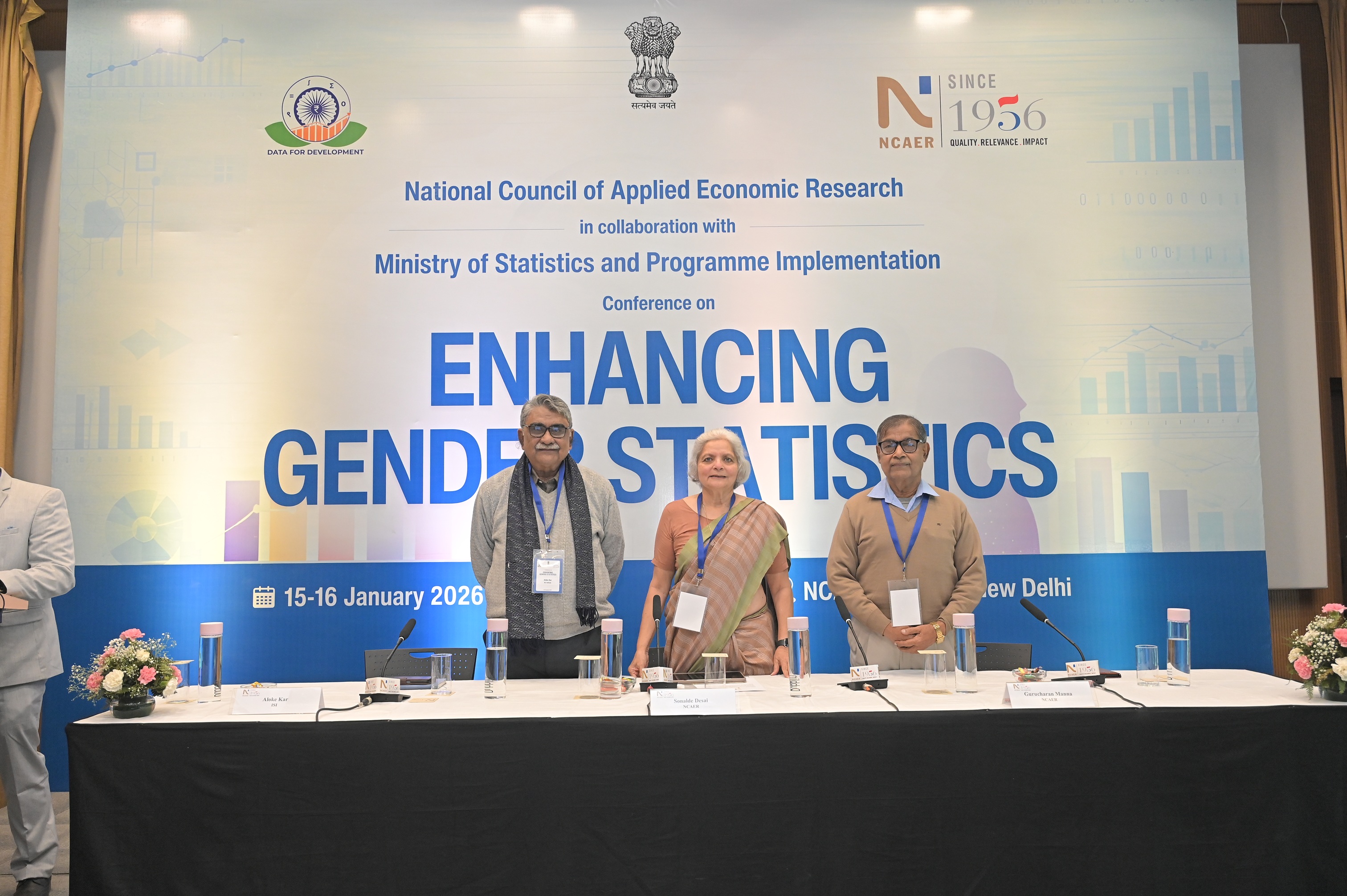
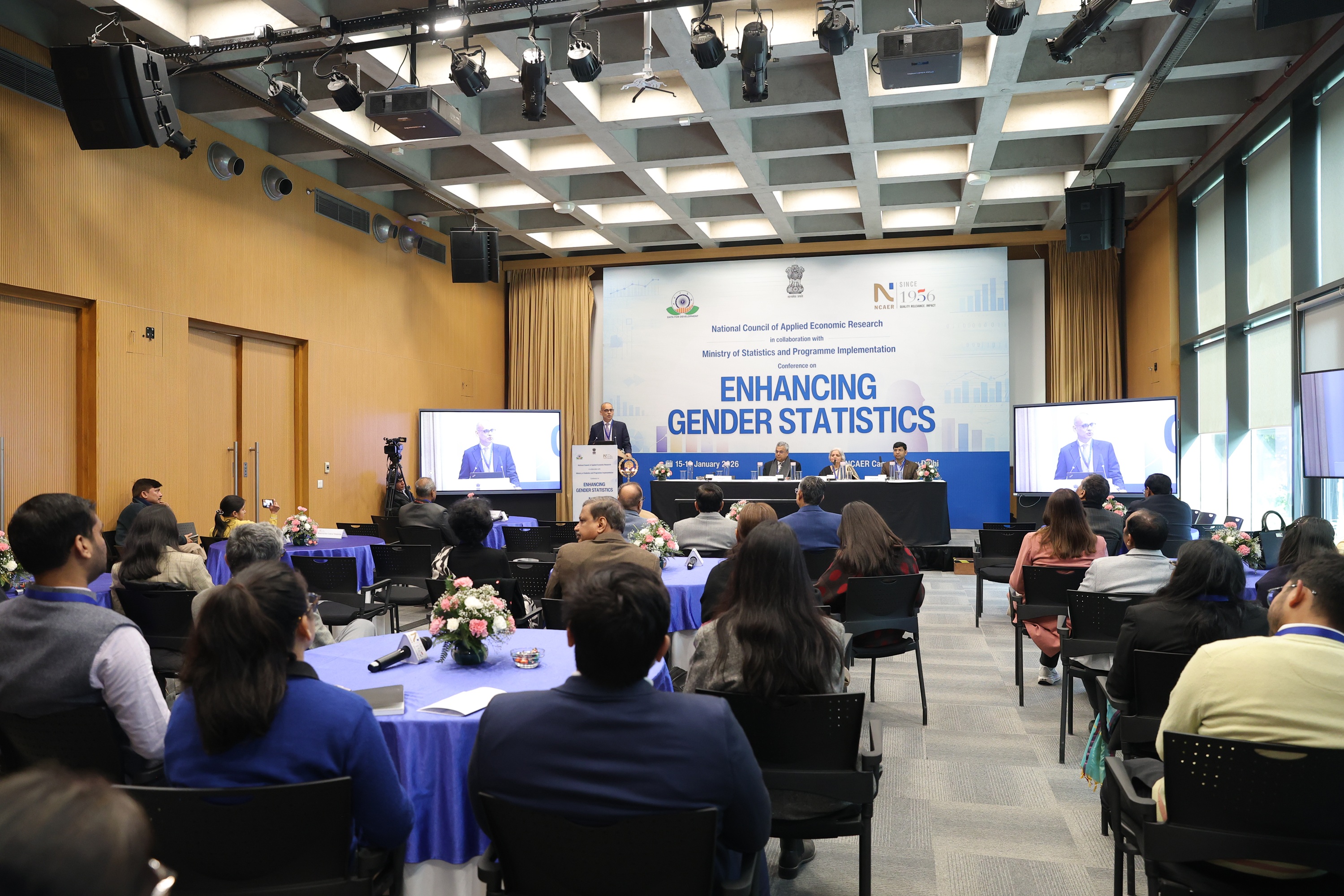
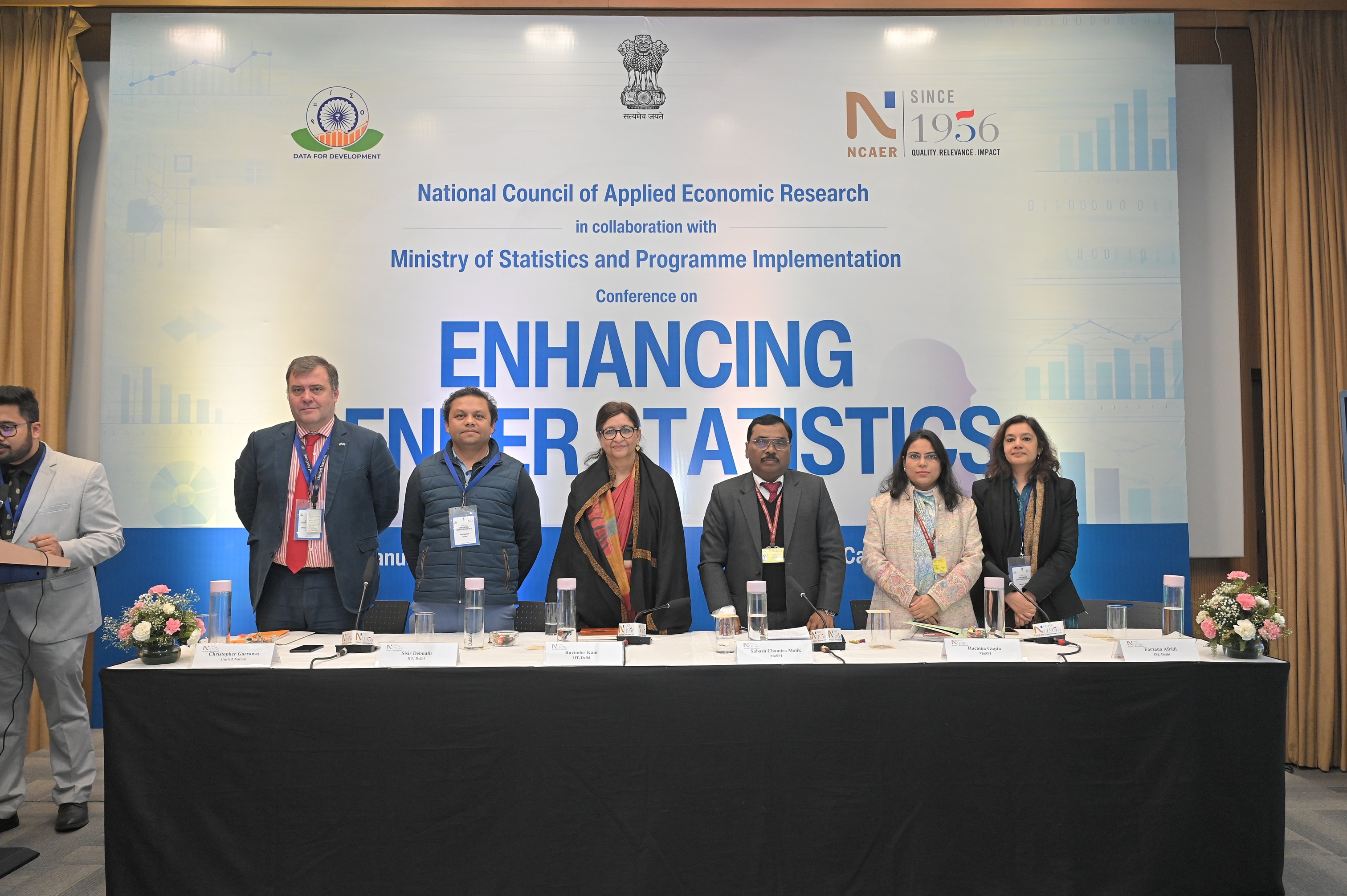
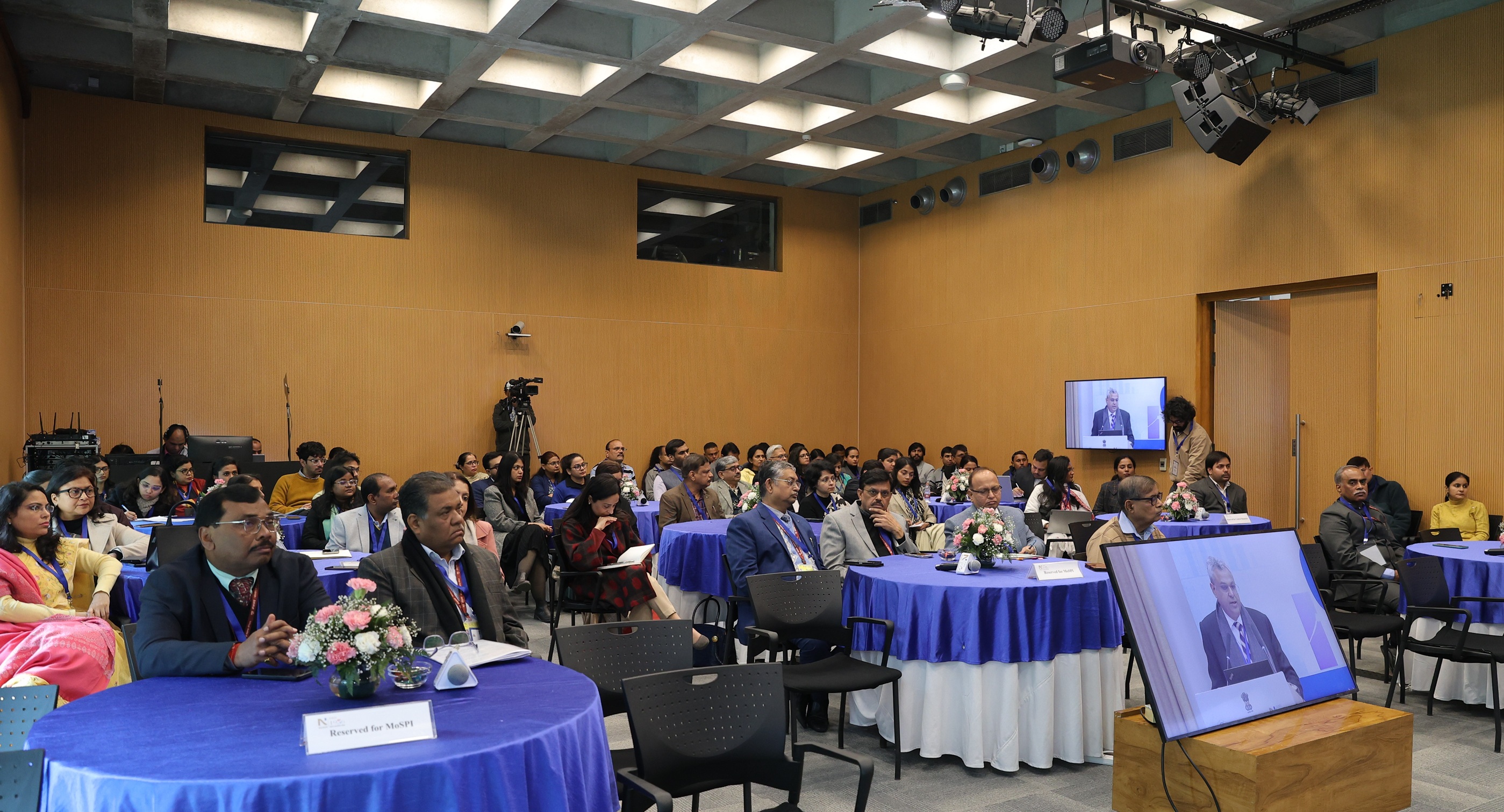
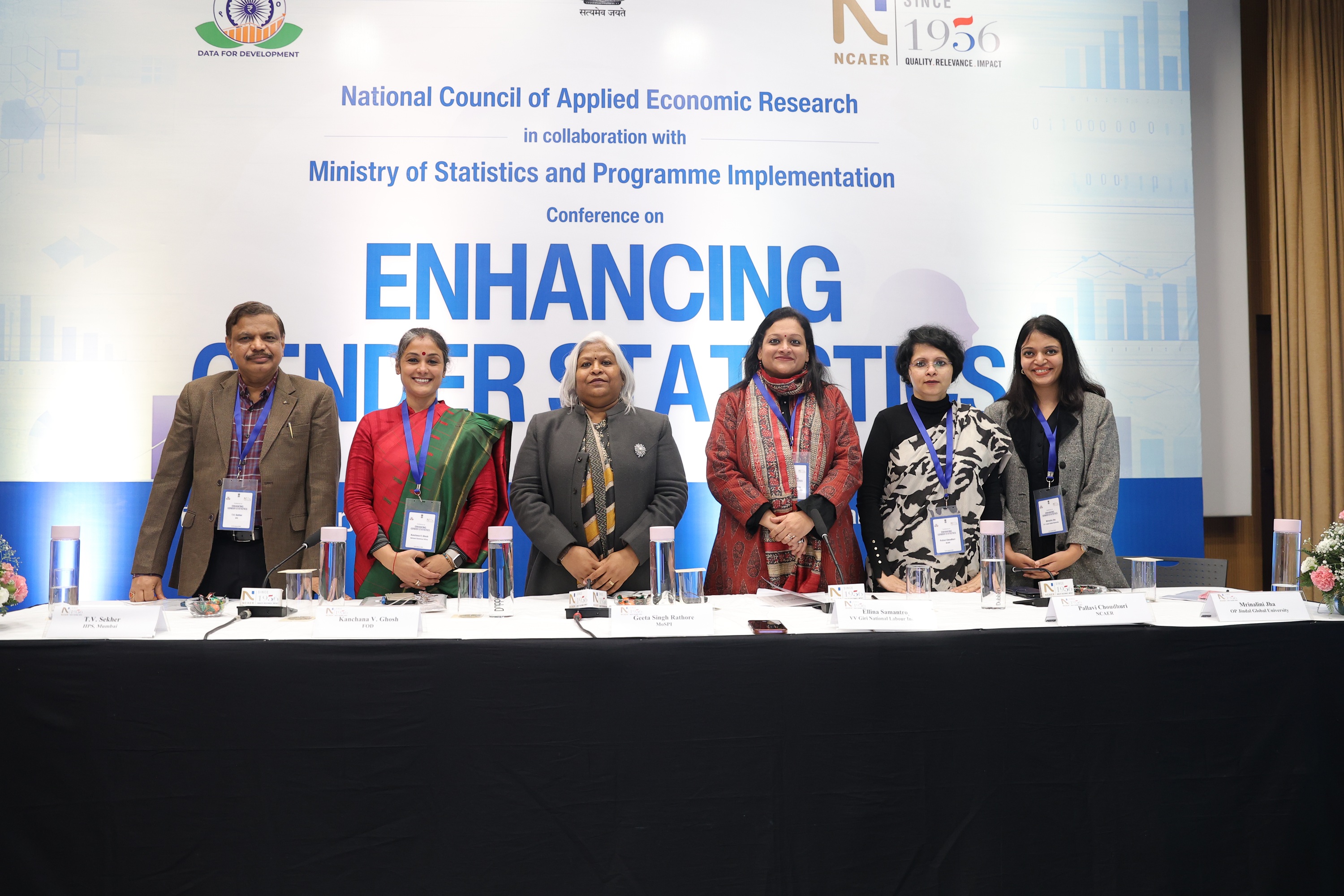
The National Data Innovation Centre (NDIC) at NCAER, in collaboration with the Ministry of Statistics and Programme Implementation (MoSPI), organized a two-day conference on “Enhancing Gender Statistics” on 15th and 16th January 2026 at the NCAER campus in New Delhi.
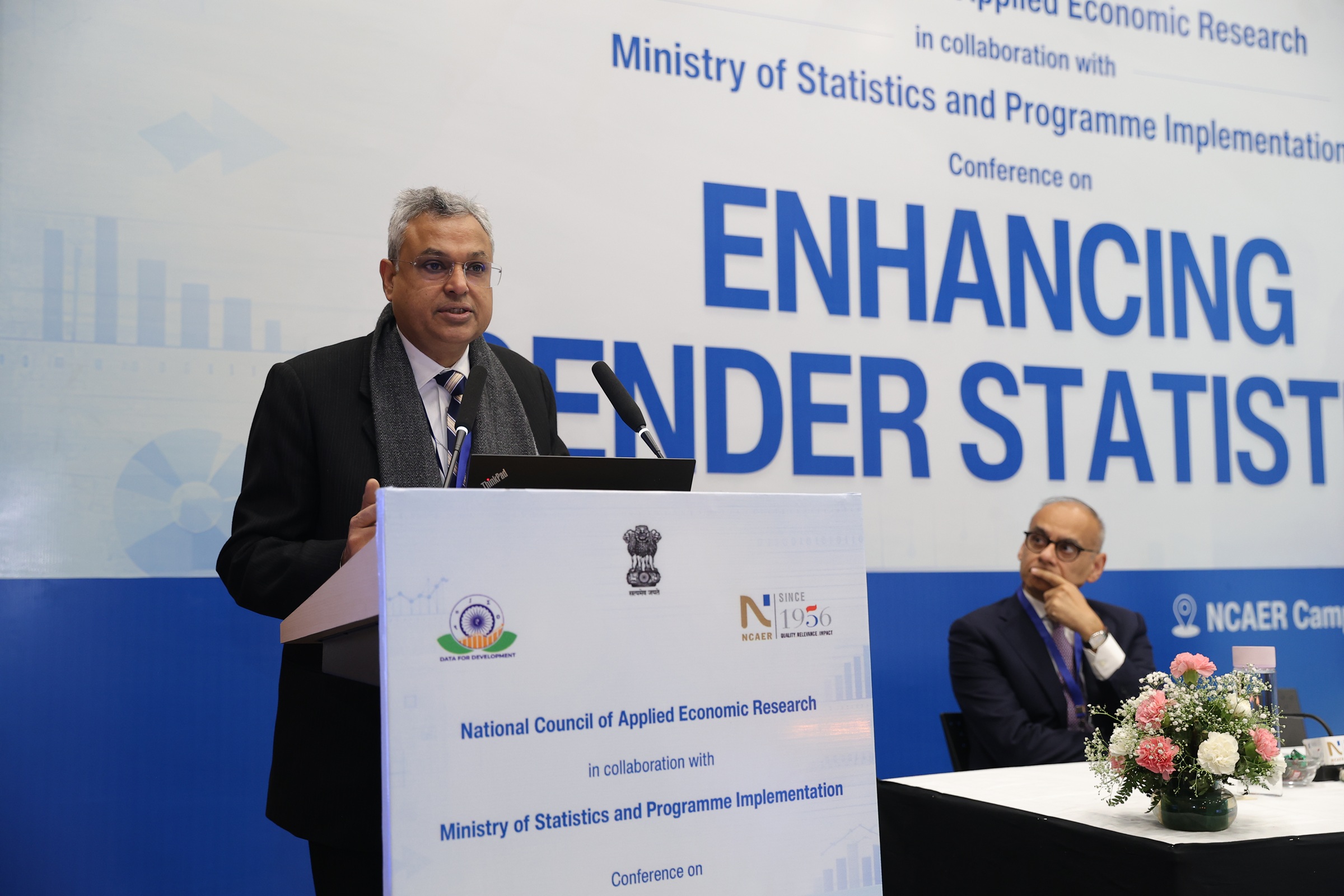
The inaugural address by Dr Saurabh Garg, Secretary, MoSPI, drew on several flagship government schemes to highlight the importance of gender-disaggregated data in statistical systems. Against the backdrop of increasing policy attention to gender-responsive planning and monitoring, the conference sought to examine how existing data systems can be strengthened to better capture women’s economic and social realities and to inform evidence-based decision-making.
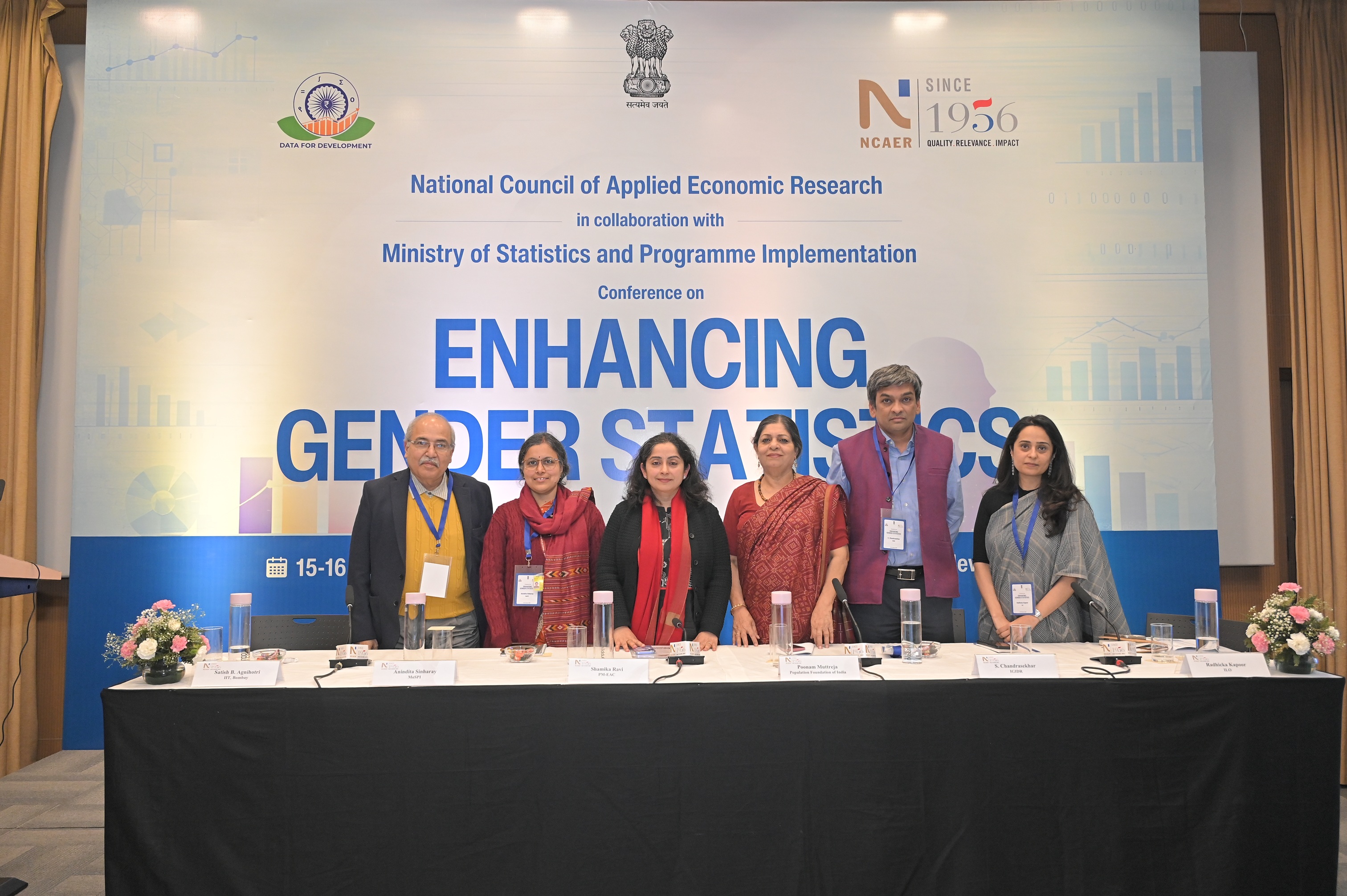
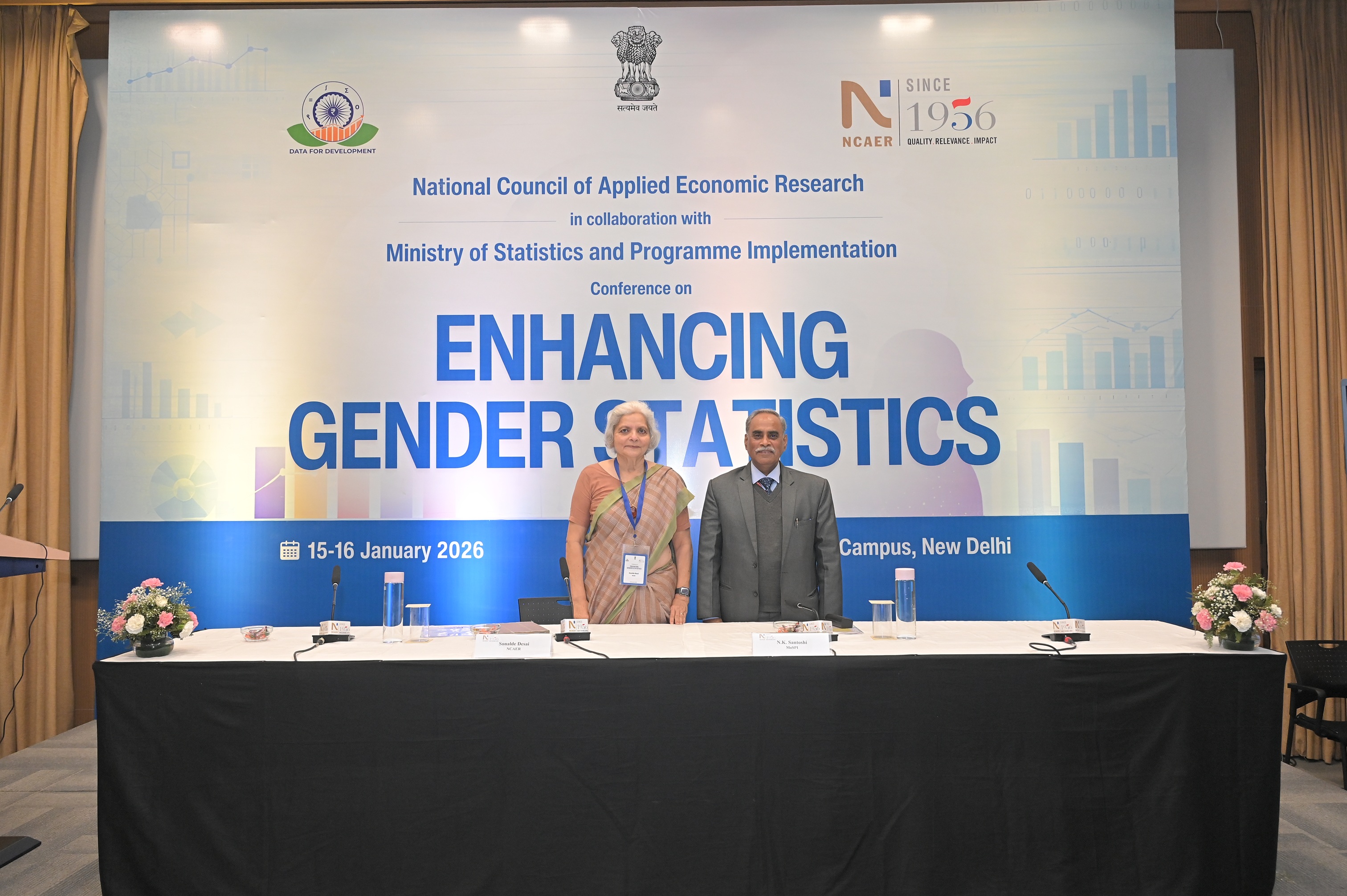
Across five technical sessions and a thematic presentation, chaired by Shri P.R. Meshram (Director General, Data Governance, MoSPI), Smt. Geeta Singh Rathore (Director General, NSS), Dr Shamika Ravi (Member, PM-EAC), Shri Subash Chandra Malik (Additional Director General, SSD, MoSPI) and Dr Sonalde Desai (Professor & Centre Director, NCAER-NDIC), participants drew on survey experience, administrative data, and applied research to guide the discussions.
Organized by a Planning Committee co-chaired by Dr Sonalde Desai (Professor and Centre Director, NCAER-NDIC), Dr Pallavi Choudhuri (Senior Fellow and Deputy Director, NCAER-NDIC) and Shri Subash Chandra Malik (Additional Director General, SSD, MoSPI), the conference brought together policymakers, researchers and statisticians from NCAER, MoSPI and other eminent institutions including Indian Statistical Institute (ISI), World Bank, ILO, IIT Delhi, IIT Bombay, Azim Premji University, O.P. Jindal Global University, Population Foundation of India and the United Nations Office for India to deliberate on key conceptual, methodological, and policy challenges associated with the collection and use of data from women and about women.
Key takeaways:
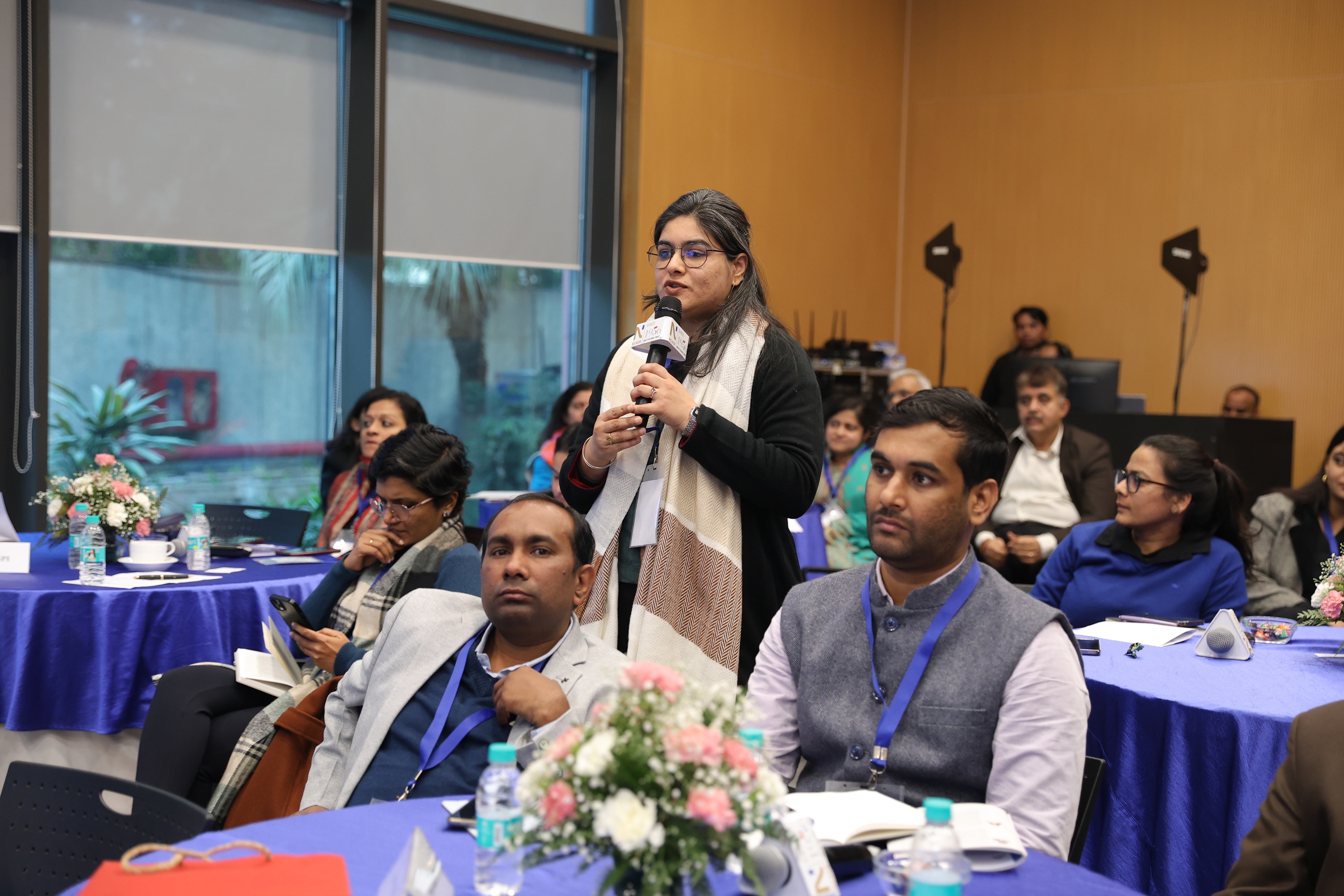
The conference provided a platform for cross-institutional dialogue and exchange, fostering shared learning across disciplines and sectors. Overall, the deliberations reaffirmed the central role of high-quality, inclusive, and gender-responsive data in supporting effective policymaking, monitoring progress, and advancing development outcomes.
Read More: https://www.pib.gov.in/PressReleasePage.aspx?PRID=2215626®=3&lang=1