





NCAER organised a seminar featuring a presentation by Dr Sonalde Desai, Professor and Centre Director, NCAER-National Data Innovation Centre, New Delhi, and Distinguished University Professor Emerita, Department of Sociology, University of Maryland, titled, ‘A Tale of Two Middle Classes’, on 31 August 2026. Dr Desai’s presentation examined the size, composition, and orientation of India’s middle classes, and the divergence between objective and subjective perceptions about the latter. Her presentation drew upon research from the India Human Development Survey (IHDS), which began in 2004-05 as a nationally representative, multi-topic survey of 41,554 households in 1,503 villages and 971 urban neighbourhoods across India, conducted by NCAER in collaboration with the University of Maryland. The second round of the survey re-interviewed most of these households in 2011-12. The third round, for which fieldwork was undertaken in 2022-24, has been jointly conducted by researchers from NCAER, the University of Maryland, Indiana University, and University of Michigan. IHDS has documented the unprecedented transformation of Indian society across two decades with the growth of the middle class as a key component of this transformation.

Dr Desai’s presentation addressed the following pivotal questions:
- What is the size of the Indian middle class, and who forms a part of it?
- To what extent do the objective and subjective markers of middle-class status overlap?
- How do the middle-class lifestyle and worldview differ from those of the poor and the near-poor?
The comprehensiveness of the IHDS dataset fosters informed, cross-disciplinary discussion at a time when the scarcity of empirical evidence often constrains researchers and practitioners from engaging with these questions.

The seminar was chaired by Mr Suresh Goyal, Director General, NCAER. Dr Amita Baviskar, Professor of Environmental Studies and Sociology and Anthropology at Ashoka University, and Mr Aurélien Kruse, Lead Economist for India at The World Bank, served as discussants during the seminar.

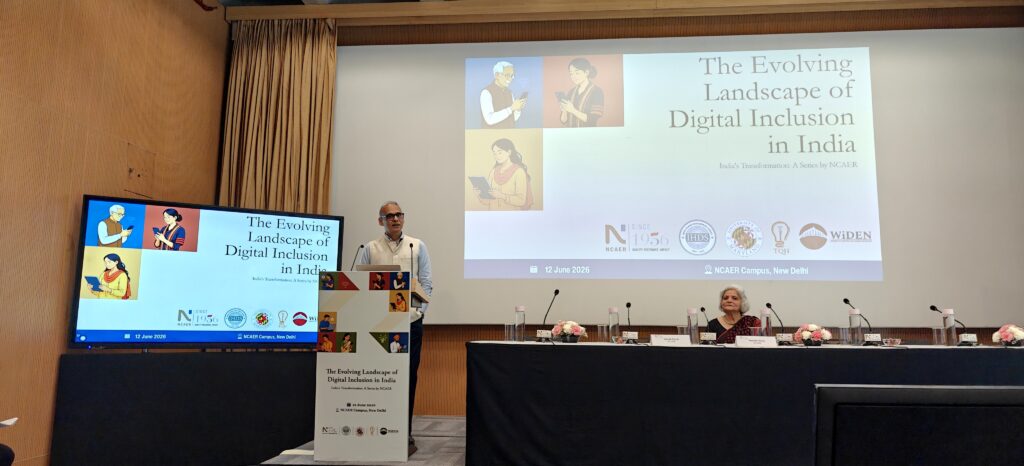
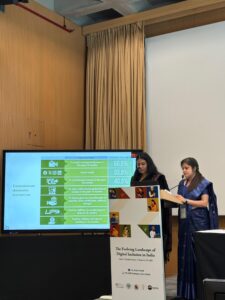
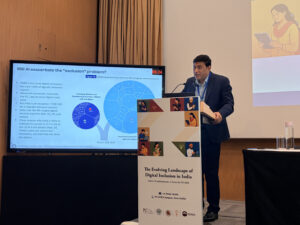 The report moves beyond conventional measures of digital access to examine how Indians access, use, and benefit from digital technologies, highlighting the ways in which age, gender, education, geography, and socioeconomic circumstances continue to shape digital participation.
 The convening featured presentations on the report’s key findings by Dr Dibyasree Ganguly (Associate Fellow, NCAER) and Ms. Garima Agarwal (Analyst, Public Policy, The Quantum Hub), followed by a keynote address by Dr Deepak Mishra (Distinguished Visiting Professor, ICRIER), who situated India’s digital inclusion journey within a broader global context.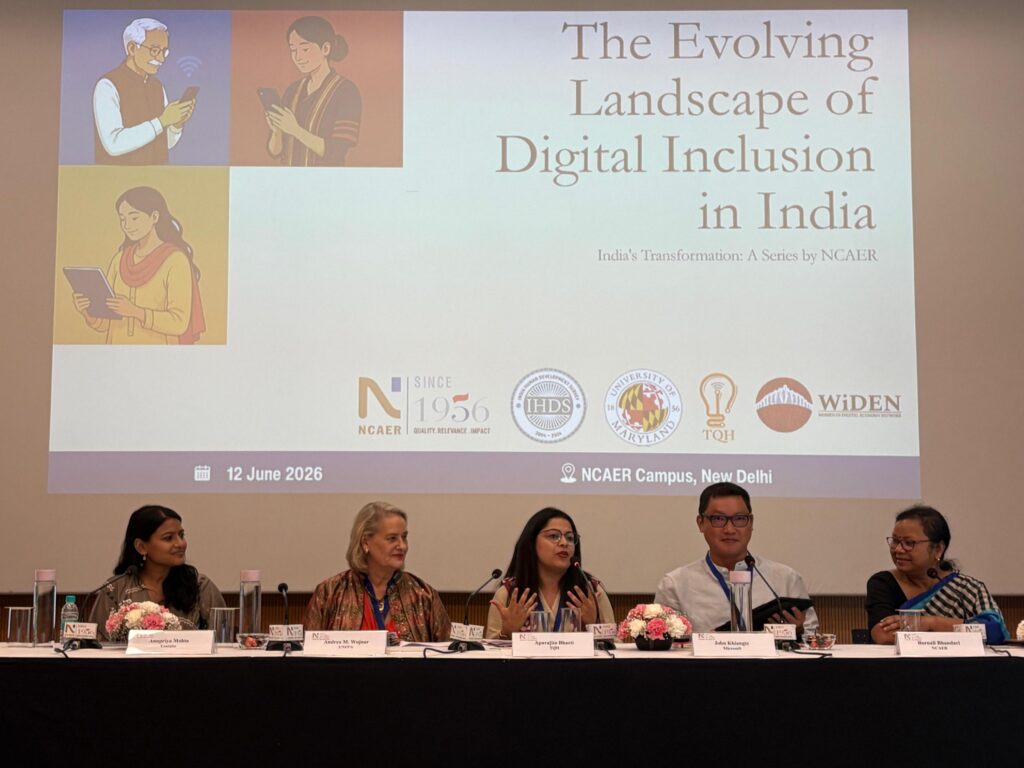

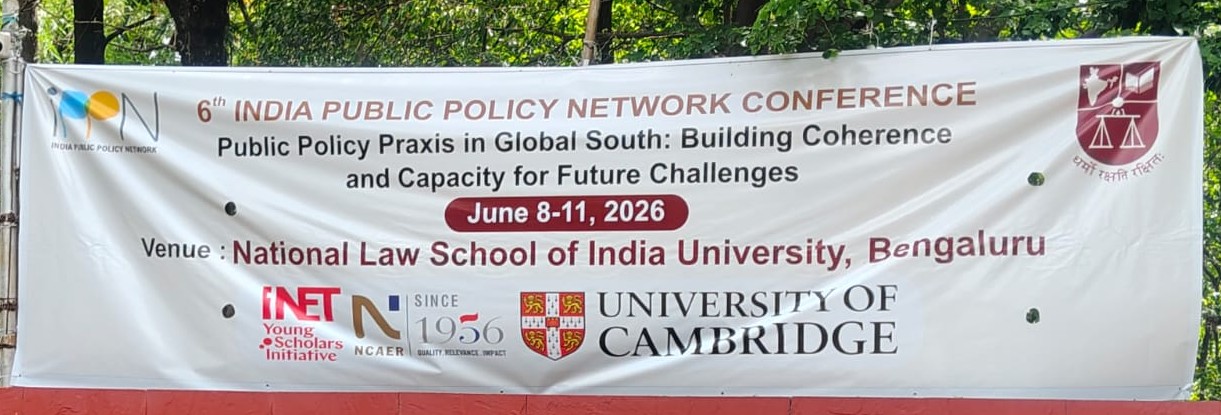
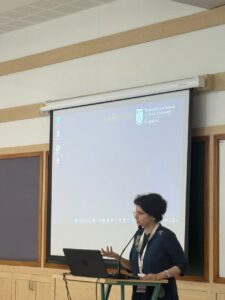 Dr Pallavi Choudhuri (Senior Fellow and Deputy-Director, NCAER-NDIC) served as the Chair for a panel discussion on “Challenges in measuring women’s income & wealth” on the second day of the conference. The panel comprised Dr Indradeep Ghosh (Executive Director, Dvara Research), Dr Neetha N. (Professor, Centre for Women’s Development Studies, New Delhi), Dr Praveena Kodoth (Professor, Centre for Development Studies, CDS Trivandrum) and Ms. Mansi Shah (Senior Coordinator, Self-Employed Women’s Association of India, SEWA).
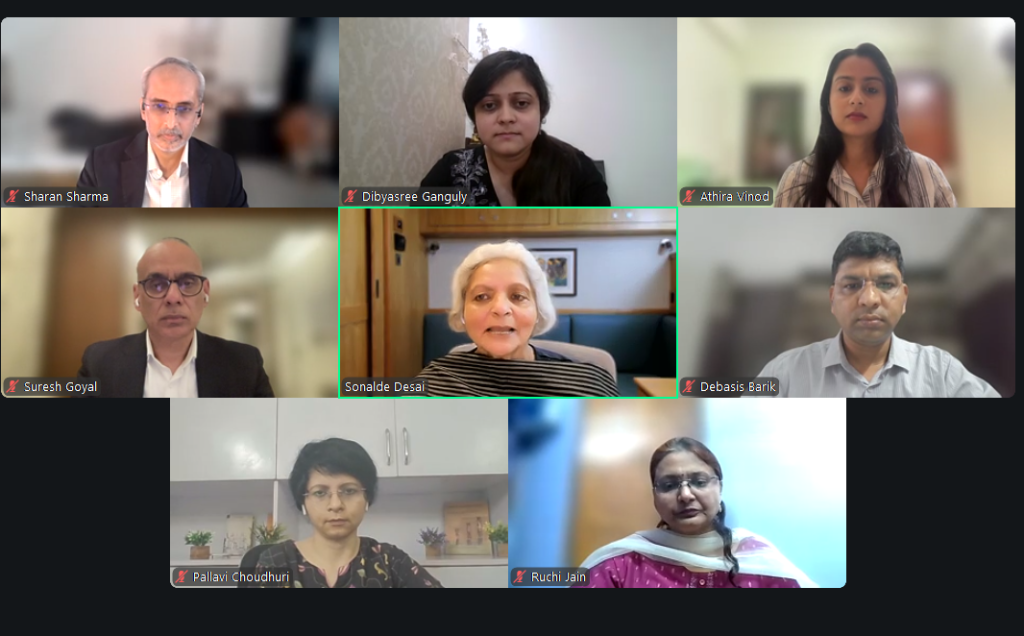
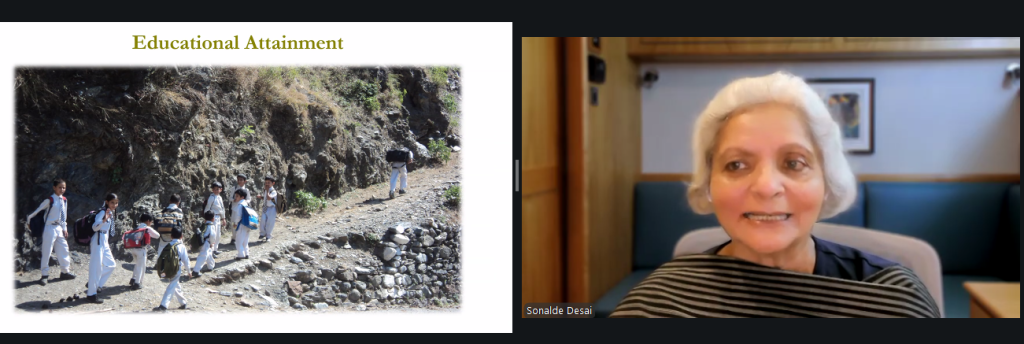
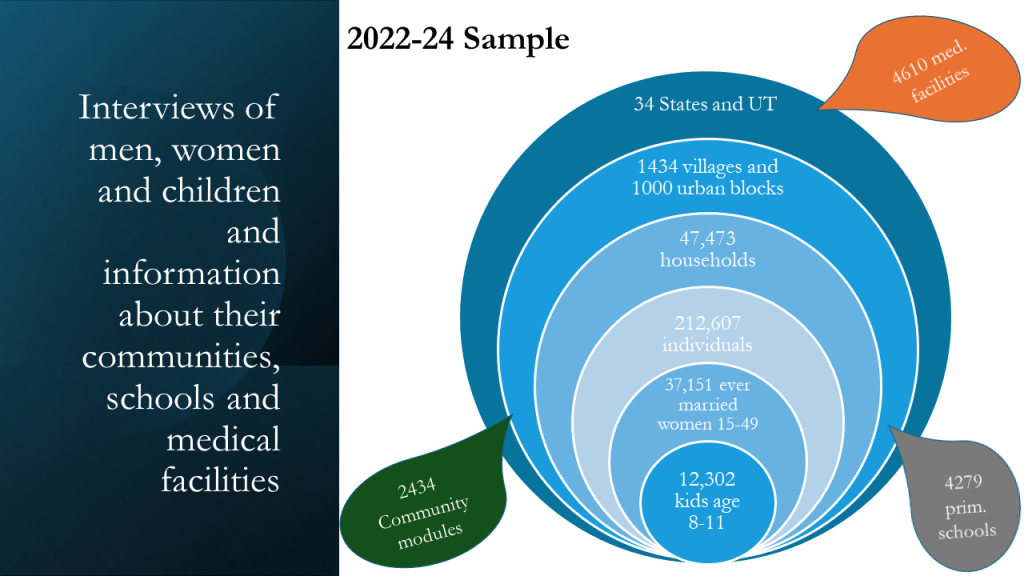
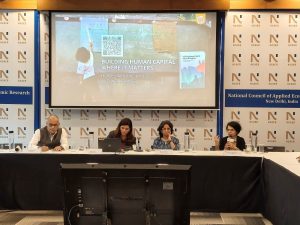
 The report highlighted the emergence of a “silent human capital crisis” with the deficit being especially prominent for women and the youth. While core insights of the report included stepping stones for reversing the deficit, the overall analysis underscored how service access, job quality, and skill formation interact over the life cycle to shape long-term human capital accumulation.
 The seminar was chaired by Mr Suresh Goyal, Director General, NCAER, who steered the discussion and highlighted the policy relevance of the report’s findings. Dr Pallavi Choudhuri, Senior Fellow and Deputy Director at NCAER’s National Data Innovation Centre (NDIC), served as the discussant, offering critical reflections on the report’s findings.