


 NCAER - NATIONAL DATA INNOVATION CENTRE
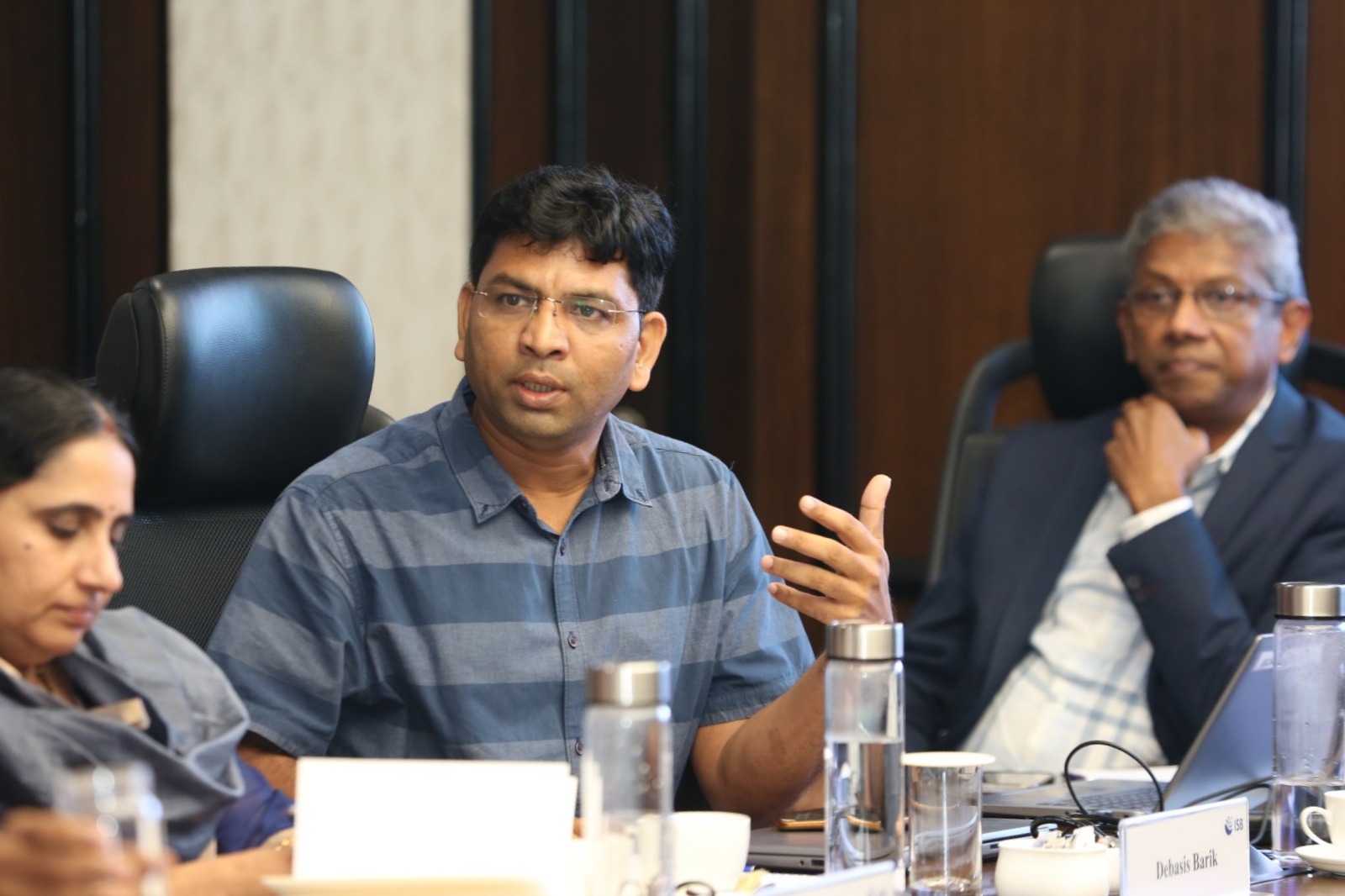
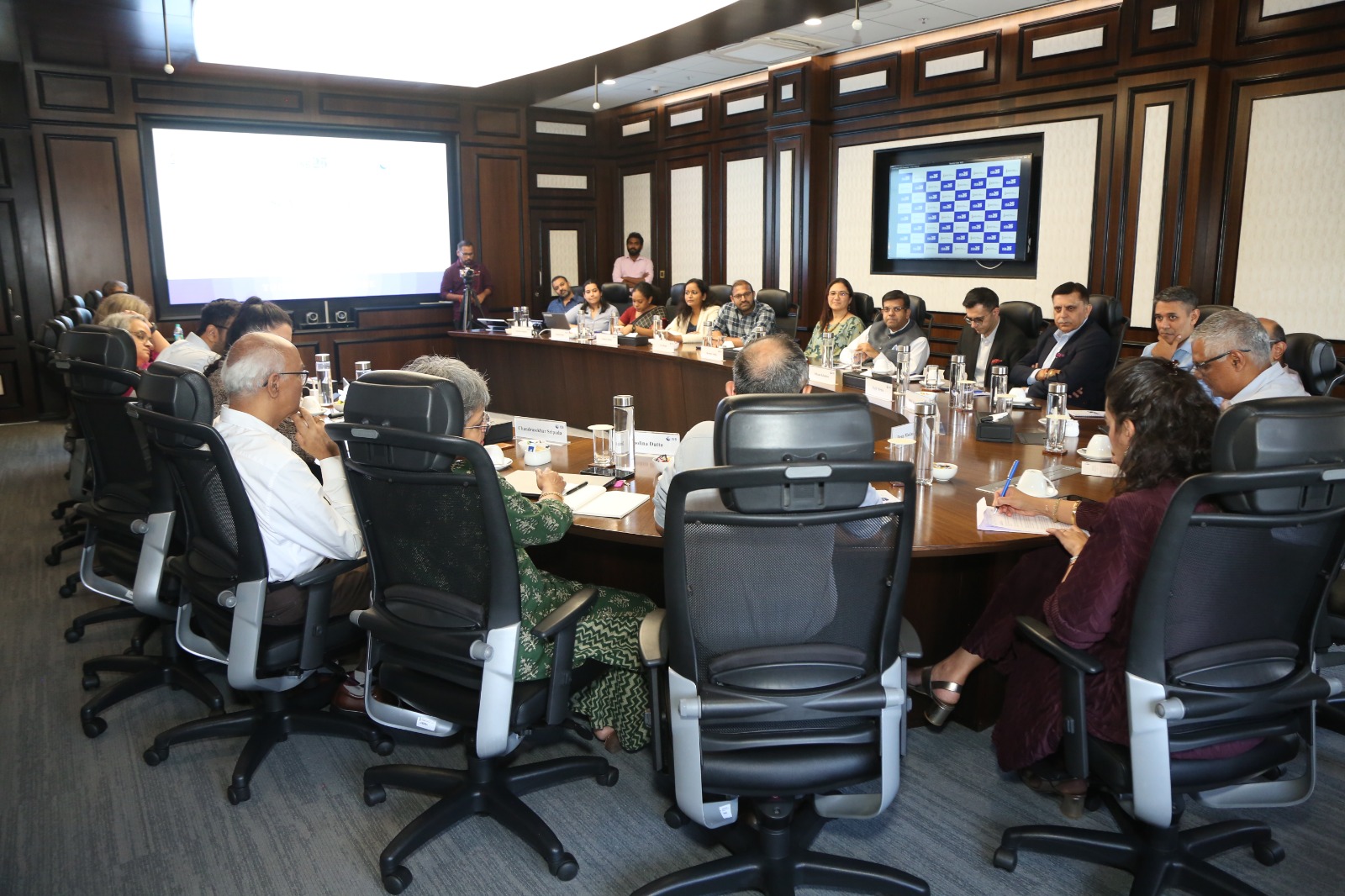
Dr Debasis Barik (Senior Fellow, NCAER), participated in a multi-stakeholder policy roundtable organised by the Indian School of Business (ISB), Hyderabad, on 30 September 2026 as part of the launch of Senior Care Advancement Through Learning and Evidence (SCALE).
SCALE brings together researchers, policymakers, industry leaders, care providers, innovators and civil society organisations to build an evidence base for strengthening senior care in India. The initiative aims to inform policy, improve programmes and support innovation in products, services and models of care for older persons.
The roundtable marked the first step in a sustained research and engagement agenda focused on identifying key challenges, generating rigorous evidence, supporting experimentation and evaluation, and translating knowledge into action to enhance the dignity, health, wellbeing and social participation of seniors.
Speaking to the changing context of ageing in India, Dr Barik highlighted the importance of understanding evolving family structures and social perspectives. Rising life expectancy and declining fertility are contributing to the rapid growth of the older population, while traditional family support systems face new pressures, including the rise of one-child and daughter-only families and the migration of younger family members for education and employment.
Dr Barik emphasised that understanding these changing family dynamics will be central to addressing the challenges associated with population ageing. He also underscored the importance of a gender lens for the SCALE agenda, noting that more women survive into old age than men.
Dr Barik’s participation contributed to a wider discussion on how research and evidence can support more informed responses to India’s emerging needs in senior care.